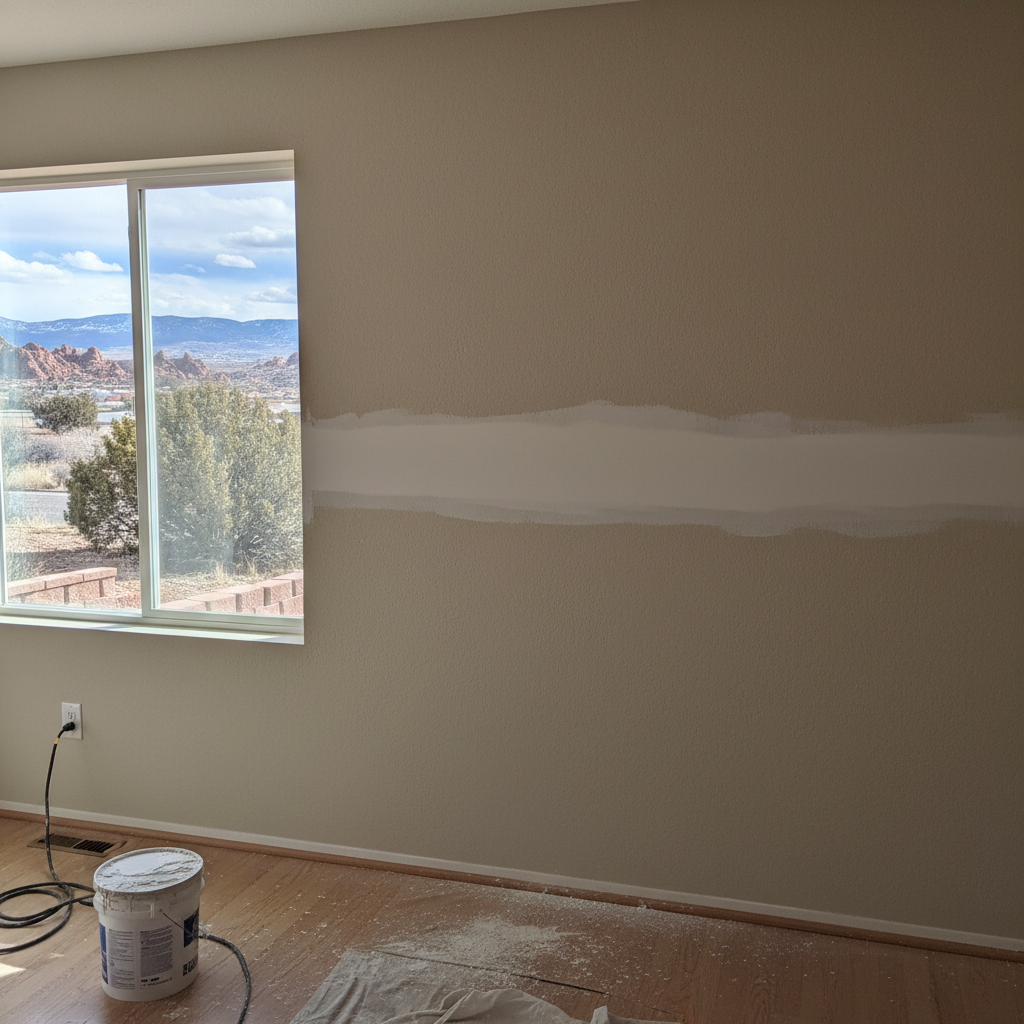
When’s the perfect time to get that drywall crack or hole fixed? It’s not just about when you finally have a free Saturday; the weather right here in West Jordan, Utah, actually plays a huge role. I’ve been patching and hanging drywall for years, and I’ve seen firsthand how our unique climate affects everything – from how fast things dry to how long a repair actually lasts. Let’s chat about what you should keep in mind.
Why West Jordan Weather Messes with Drywall
Our climate is pretty wild, right? We get those scorching hot summers, freezing cold winters, and then sometimes surprising humidity or really dry spells. All of that impacts drywall. Drywall mud, paint, even the sheets themselves, react to temperature and how much moisture is in the air. If it's too cold, everything takes forever to dry. Too hot and dry, and things might dry *too* fast, which often leads to cracking. Too humid? You're just asking for mold and a slow cure time. It’s a real balancing act.
Best Times for Drywall Repair
Honestly, the shoulder seasons – spring and fall – are usually your best bet for any major drywall work. Why?
Spring (April to early June): Temperatures are generally mild then, and the humidity isn't usually too extreme yet. This means ideal drying conditions for joint compound and paint. You’re not fighting the furnace or the AC as much, which really helps keep indoor conditions stable. Plus, if you had any moisture issues over the winter, spring is the perfect time to tackle them before they get worse.
Fall (September to November): Just like spring, fall gives you that sweet spot of moderate temperatures. The air starts to get a bit drier, but not so dry that things crack too quickly. It’s a great time to button up your home before winter hits, especially if you’re dealing with any exterior wall damage that’s affecting your interior drywall. You want to get that taken care of.
That’s not to say you absolutely can’t do repairs in summer or winter; you just need to be more aware of your indoor environment.
Handling Summer Heat and Winter Cold
If you absolutely need a repair done in July or January, don't sweat it too much. Just be ready to manage your home's climate. In the summer, when it's 90+ degrees outside, you'll want your AC running to keep indoor temperatures comfortable and stable. This stops the mud from drying too fast and cracking. For winter, especially when we get those deep freezes, your furnace definitely needs to be on. Cold temperatures slow down the drying process a lot, and you risk the mud not curing correctly. Trust me, you don't want to be scraping off half-dried compound because it got too cold.
One thing I see a lot around the older parts of West Jordan, like near Redwood Road, are homes with less insulation. In these places, the interior walls can really feel the outside temperature swings. If you're in one of these homes, it's even more crucial to control your indoor climate during extreme weather when you're doing drywall work.
Protecting Your Drywall Investment Year-Round
You’ve spent time and money getting your drywall fixed up, so let’s make sure it lasts. A lot of it just comes down to basic home maintenance.
Manage Humidity: Too much humidity is drywall’s worst enemy. It can lead to mold, sagging, and paint peeling. If you’ve got a bathroom that gets super steamy, use that exhaust fan! If your basement feels damp, a dehumidifier can work wonders. On the flip side, in our dry winters, a humidifier can prevent wood framing from shrinking too much, which can cause nail pops and cracks in your drywall. Who knew?
Address Leaks Immediately: This is a big one. A small roof leak or a leaky pipe can turn into a huge drywall nightmare fast. Water damage is destructive, and it’s expensive to fix. If you see a water stain or feel a damp spot, investigate it right away. Seriously, don’t wait.
Control Indoor Temperatures: Try to keep your home’s temperature pretty consistent, especially if you’ve just had repairs done. Wild temperature swings can cause materials to expand and contract, which often leads to new cracks.
Regular Inspections: Just a quick walk-through of your home every few months can help you spot small issues before they become big ones. Look for new cracks, discoloration, or soft spots.
Taking care of your drywall isn't just about fixing holes; it’s about understanding how our local environment affects your home. If you’ve got questions or need a hand with a repair, you know who to call. Neighborly Drywall Co. is always here to help West Jordan homeowners keep their walls looking great.