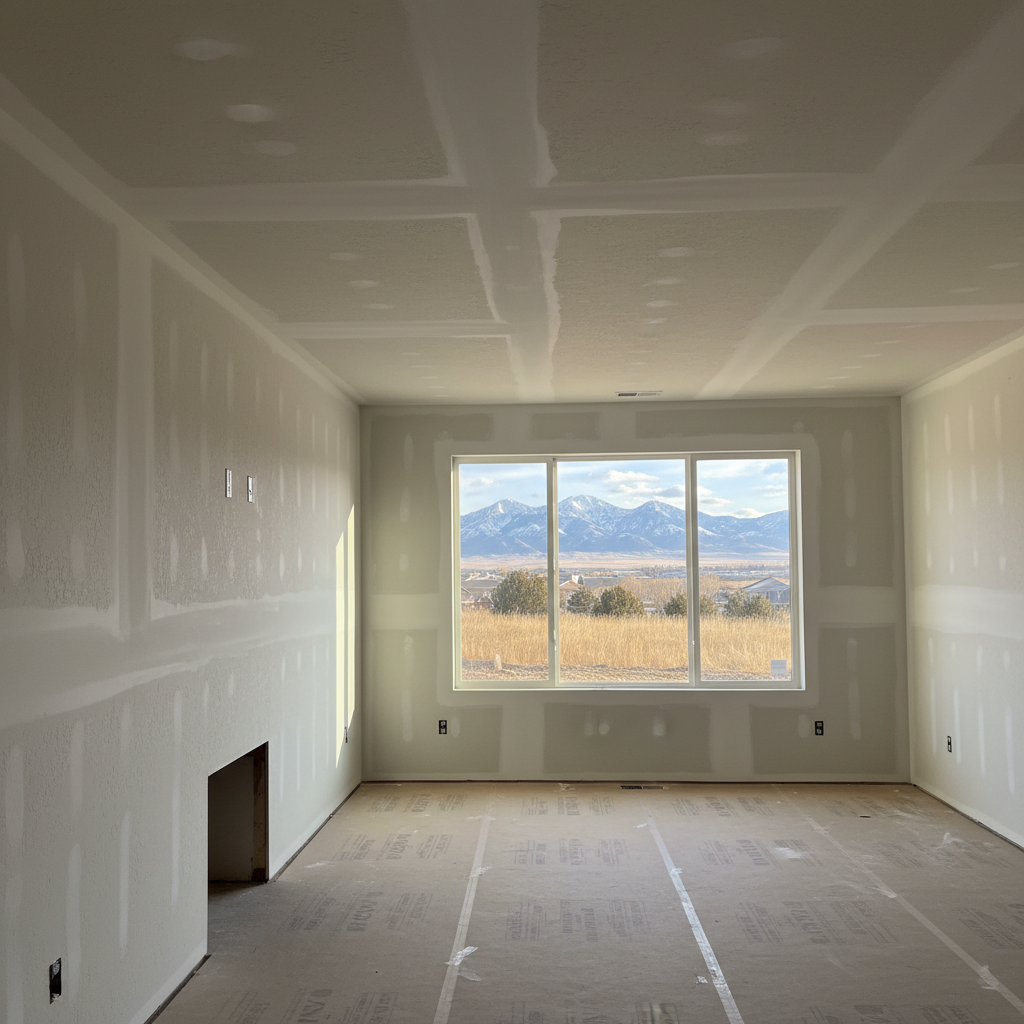
You're looking to get some drywall textured, maybe a new addition or just sprucing up a room. That's great! But here in West Jordan, you can't just pick any old day to get it done. Our local weather, especially those dry summers and cold winters, plays a bigger role than most folks realize when it comes to getting a good, lasting texture job.
Why West Jordan Weather Matters for Drywall
Think about it: drywall mud is mostly water. When that water dries too fast or too slow, you run into problems. Our high desert climate means we get some pretty extreme swings. In the summer, it's hot and dry. In the winter, it's cold and still pretty dry, especially with the furnace blasting.
- Summer Heat & Dryness: If it's 95 degrees outside and bone dry, that mud can flash-dry on you. It'll crack, shrink unevenly, and you'll end up with a texture that looks blotchy or just doesn't hold up. We've seen it happen in homes near the Jordan Landing area where folks tried to rush things without proper climate control.
- Winter Cold & Dryness: While it's not as quick to dry as summer, the cold can make mud take forever to cure properly. And when you crank up the heat inside, you're still dealing with very low humidity, which can lead to the same cracking issues.
- Humidity is Key: What you really want is a consistent, moderate temperature and a bit of humidity. Not too much, not too little. That allows the mud to dry at a steady, controlled rate, giving you a strong, smooth (or textured, depending on your style) finish.
When to Schedule Your Drywall Texturing
Based on what I've seen over the years with Neighborly Drywall Co, here's my advice on the best times to schedule your texturing project:
Spring (Late April - Early June): This is often the sweet spot. The temperatures are mild, and we usually get a little more moisture in the air from spring rains. It's not too hot, not too cold, and the mud has a chance to cure beautifully.
Fall (Late September - Early November): Similar to spring, fall offers those nice, moderate temperatures. The air starts to get a bit crisper, but we haven't hit the deep freezes or the super-dry furnace season yet. It's another excellent window for quality work.
Summer & Winter: Can it be done? Absolutely, but it requires more careful climate control. If you're doing a summer project, we'll need to make sure the AC is running and maybe even bring in some humidifiers to keep the air from sucking all the moisture out of the mud too fast. In winter, we'll need to ensure the space is adequately heated, but not overheated, and again, humidity might need a boost. It just adds a layer of complexity and sometimes cost.
Protecting Your Drywall Investment Year-Round
Once your texture is done and painted, you want it to last, right? Here are a few tips:
- Maintain Consistent Indoor Temps: Avoid extreme temperature swings in your home. Blasting the heat to 80 degrees then letting it drop to 50 when you leave for the weekend isn't great for any part of your home, including your drywall.
- Watch Humidity Levels: Especially in winter, consider using a whole-house humidifier or portable units if your home feels excessively dry. Not only is it better for your health, but it helps prevent wood and drywall from drying out and cracking.
- Address Leaks Immediately: This one's a no-brainer. Any water intrusion from a leaky roof, pipe, or window can devastate drywall. The sooner you fix it, the less damage you'll have to repair.
- Ventilate Bathrooms: Always use your exhaust fan when showering or bathing. Excess moisture can lead to mold and mildew on drywall, especially in areas with poor airflow.
Getting your drywall texture right is a big part of how your home looks and feels. By understanding how our unique West Jordan climate affects the process, you can make sure your investment lasts. If you've got questions about your next project or need some expert hands, give us a shout at Neighborly Drywall Co. We're always happy to help our neighbors out.